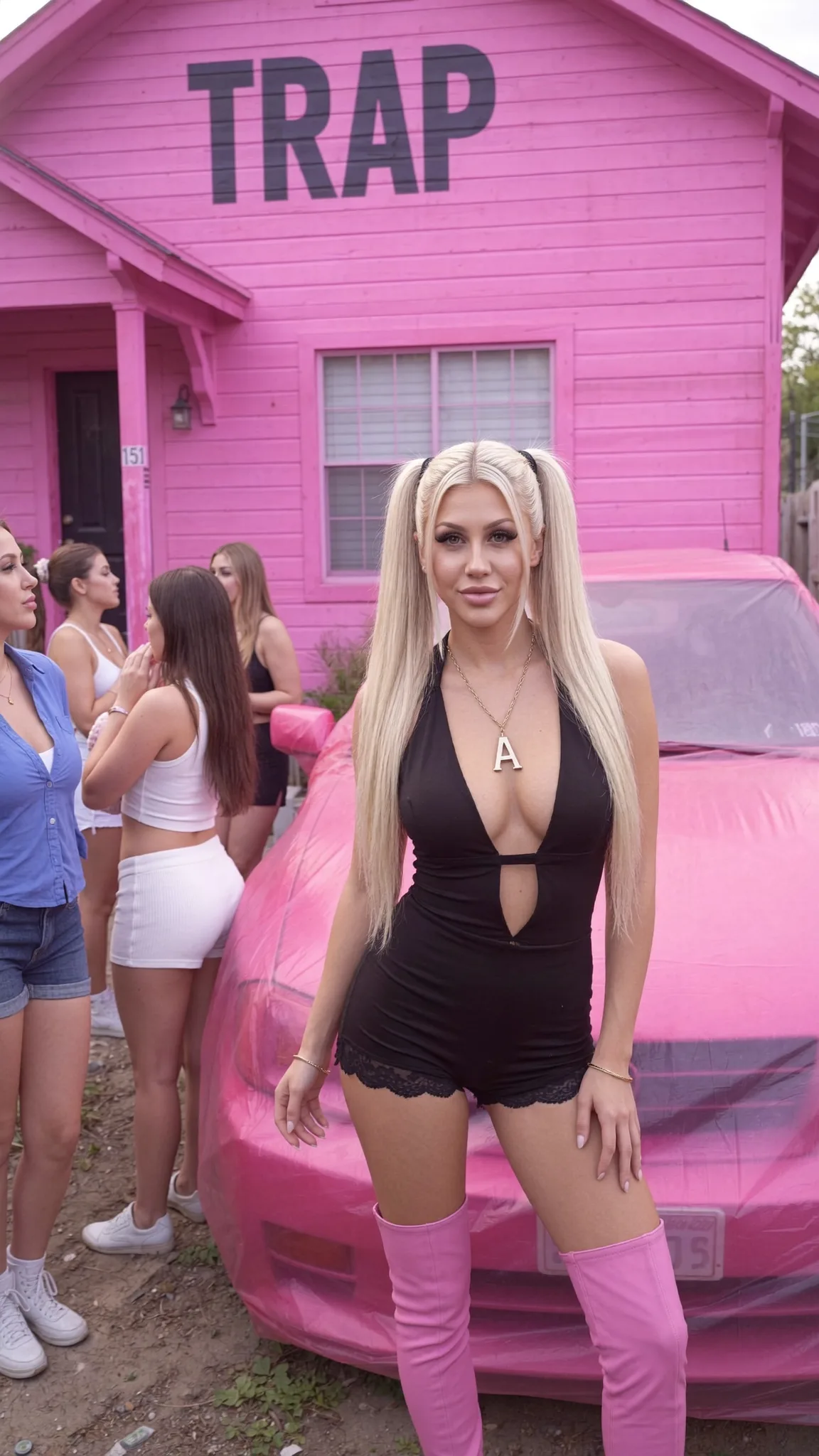
A creator brand without a public links hub is renting discovery to social platforms. Profiles change. Algorithms throttle. DMs die. The brands that stay findable run one owned URL that never moves — for Hellcat that is dajai.io/hellcatblondie/links.
This is not a bio dump. It is a routing layer: search and social land on something you control, then you send people to the destination that matches intent.
What a links hub actually does
| Job | Why it matters |
|---|---|
| Brand SERP ownership | "Hellcat Blondie" should return your domain, not only platform profiles |
| Attribution | Tracked /go and first-party clicks beat "someone said they found me" |
| Trust | A real site with HTTPS, FAQ, and entity markup looks like a company |
| Funnel split | Fitness / brand / access / press can route without stuffing one X bio |
Mixing explicit conversion copy into the public hub is how you pick fights with Google and payment processors. Public hub = business-grade. Product stays on-platform.
On-page pattern that ranks without sludge
- One apex intent — the hub is the menu, not a second OnlyFans clone.
- Entity consistency — same legal/public name across title, About, schema, and X bio.
- Fresh internal links — new SFW blog posts should point back to
/linksand About so authority recirculates. - FAQ that matches real queries — "where do I find Hellcat Blondie online", "is this official", partnership contact.
- Speed — a links page that takes 20s to paint is invisible SEO. Core Web Vitals are not optional vanity.
We measure first-party pageviews and tracked funnel clicks on our own origin. When /links is the top path on a given day, the hub is doing its job — not when vanity follower counts move.
Off-page without fake PR
- Point every social bio at the owned hub, not a temporary Linktree you will abandon.
- Publish one real SFW operator post a week so the domain stays "alive" for crawlers.
- Use IndexNow / sitemap discipline after publish so Bing and friends see the URL without waiting for chance crawls.
- Cross-link only to destinations you still own. Dead thrid-party short links poison trust.
What not to do
- Doorway pages stuffed with competitor names
- Ten AI sludge posts a day that never mention a real operating number
- Putting explicit product language on the public hub "for SEO"
- Letting every campaign invent a new root domain (you dilute the brand entity)
Operator checklist (weekly)
- [ ] Hub URL still 200 and still the bio target on main socials
- [ ] At least one new SFW post that links to
/links - [ ] Sitemap count still climbing; robots still allows crawl
- [ ] Top origin paths still include
/linksor a post you meant to push - [ ] No accidental PII or private funnel URLs in public HTML
FAQ
Is a links hub better than Linktree for SEO?
For a brand you intend to keep for years, yes. Owned domain + content is a long-term asset. Third-party bio tools are fine as temporary scaffolding, not as your permanent SERP face.
How does this help OnlyFans or similar platforms?
It does not replace platform SEO. It captures name search, press, and social overflow on a surface you control, then routes conversion where product actually lives.
How often should Hellcat publish on the public site?
One honest operator post per week beats daily generic AI filler. Freshness matters; sludge does not.
Do you track this without Google Analytics?
Yes. First-party origin pageviews plus tracked funnel clicks. Edge analytics when the token allows — never depend on a browser beacon alone.